Industrial

Industrial Construction in League City, TX

Industrial construction on the Gulf Coast demands stronger control of utilities, equipment interfaces, circulation, and startup dates than a generic building schedule can handle. General Contractors of League City leads industrial construction projects across League City, TX with one commercial and industrial general contractor process that keeps preconstruction, field execution, and turnover connected.

Overview

What Our Industrial Construction Scope Covers

Industrial construction on the Gulf Coast demands stronger control of utilities, equipment interfaces, circulation, and startup dates than a generic building schedule can handle. General Contractors of League City approaches industrial construction as a full general contractor scope, which means the work is planned around owners like industrial owner-operators, institutional investors, and regional developers, not around isolated trade packages. We organize land, permitting, procurement, and field coordination so the project can move from paper into construction with one chain of accountability.

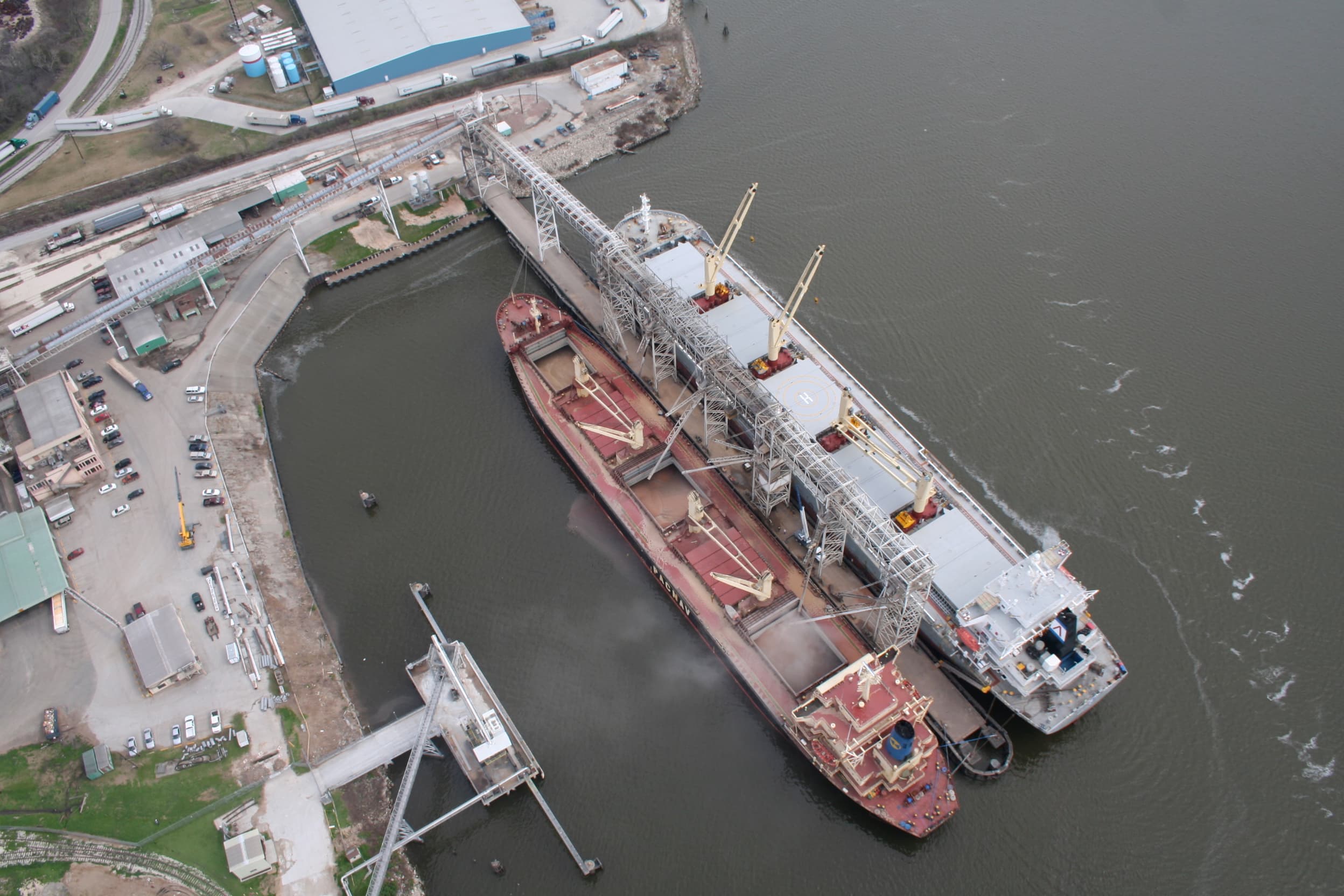
That matters in and around League City because Gulf Coast schedules are shaped by weather swings, utility release timing, site drainage, and the pressure to hand over space without disrupting operators, tenants, or future phases. On production buildings and industrial campuses, our team keeps the schedule connected across site work, structure, envelope, interiors, and turnover instead of letting those scopes drift into separate decision tracks.

Scope

How this work is packaged and coordinated.

Industrial Construction covers more than the visible building package. The work includes planning how the site, utility routing, structural release, and interior readiness all fit together so the owner gets a facility that opens on a controlled path. For projects like production buildings, industrial campuses, and operations support facilities, that coordination protects budget, schedule, and operations at the same time.

In practice, we use the general contractor role to hold the schedule together across design clarifications, procurement, inspections, and field sequencing. That lets ownership make faster decisions while the project team manages the dependencies that can otherwise create downtime, rework, or partial turnover problems.

  • Integrated planning for civil, structural, envelope, and systems work
  • Operational sequencing around utilities, yard access, and startup milestones
  • Trade coordination for phased installation in active industrial environments
  • Closeout packages organized for commissioning, occupancy, and handoff
  • Field reporting that gives owners visibility into critical interfaces

Typical programs

Where this service shows up in the market.

production buildings

production buildings programs need a delivery plan that ties site release, building shell work, and owner decision points together. We structure the sequence so the project keeps moving even while long-lead packages and permitting steps are still being tracked.

industrial campuses

industrial campuses work benefits from early coordination around utilities, circulation, and turnover assumptions. That is where a commercial and industrial general contractor adds value, because the building is planned as part of the operating model instead of as an isolated shell.

operations support facilities

operations support facilities assignments often require clean phasing, tighter communication with lenders or operators, and a turnover path that works in the field. We coordinate those moving parts before momentum is lost to late approvals or unresolved interfaces.

Process

How we move the service through preconstruction, field execution, and closeout.

Define The Project Controls

We begin by translating ownership goals, site conditions, and target dates into a practical baseline. Sequence heavy infrastructure and vertical work around startup risk That gives the project team a real schedule logic instead of a generic milestone list.

Package The Field Work

From there, the work is packaged around what the field can actually build. Map active operations and safety controls into every release package Material lead times, inspection pacing, and access constraints are folded into the release plan before crews stack on top of each other.

Track Critical Interfaces

Once work is underway, the focus shifts to the points where schedules usually break down. Build around weather, haul routes, and Gulf Coast utility coordination realities We keep utilities, structural release, envelope work, and interior readiness tied to the same control rhythm.

League City context

Why this scope has to be planned around Gulf Coast realities.

League City sits inside a corridor where industrial growth, retail expansion, medical development, and distribution demand all compete for the same labor pool, utility windows, and access routes. General Contractors of League City builds industrial construction scopes with those market realities in mind so schedules are based on actual Gulf Coast constraints rather than optimistic assumptions.

Our work regularly touches the Clear Lake, Bay Area, and Galveston County submarkets where drainage, frontage access, municipal review, and phased occupancy can shape how work is released. By keeping those variables in the general contractor planning process, we help owners avoid late-stage changes that create cost pressure or disrupt operations.

This is also a market where many projects need to protect future flexibility. Whether the goal is to lease bays, support expansion, or open in phases, the delivery model has to support how the facility will perform after handoff. That is why our industrial construction pages focus on full-project coordination rather than one narrow construction activity.

Owner outcome

What strong coordination changes for the owner side of the project.

Industrial building delivery for logistics, manufacturing, utility-heavy, and operations-sensitive sites across southeast Houston and Galveston County. The real value for ownership is not just that the work gets built. It is that the building, site, and turnover path stay aligned to one operating objective, with the general contractor managing dependencies before they turn into field friction.

That delivery model is particularly useful for industrial owner-operators, institutional investors, and regional developers who need visibility into schedule risk and a reliable path to occupancy. We keep decisions grounded in what the jobsite, municipality, and procurement calendar can actually support so the project moves forward with fewer handoff gaps.

FAQ

Questions owners ask about industrial construction work.

What does a general contractor manage on a industrial construction project?

On a industrial construction assignment, the general contractor is responsible for holding the full project workflow together. That includes preconstruction planning, package sequencing, trade coordination, schedule control, quality tracking, and the handoff process. In the League City market, that full-scope coordination is important because weather, utility release timing, and phased occupancy needs can create schedule drift if one party is not actively managing the dependencies.

When should industrial construction planning begin?

Planning should begin while ownership still has flexibility around scope, schedule, and procurement assumptions. Early preconstruction allows the team to shape the site sequence, confirm long-lead items, and define what needs to happen first in the field. The earlier that work happens, the easier it is to prevent expensive re-sequencing after mobilization.

Can this scope be phased around active operations?

Yes. Many commercial and industrial projects in this region have to work around occupied buildings, active yards, or staged turnover requirements. The key is to define access routes, shutdown windows, safety controls, and release areas before the field schedule tightens. When the phasing is real and not theoretical, the owner can keep operations moving with less disruption.

What usually drives the schedule on industrial construction work around League City?

The schedule is usually driven by a combination of site readiness, permitting, utility coordination, procurement lead times, and the need to hand work over in a usable sequence. Gulf Coast weather can also affect exposed civil, concrete, and enclosure activities. A practical schedule accounts for those realities instead of assuming every package can move independently.

How do you approach closeout for industrial construction projects?

Closeout is organized by milestone and release area rather than being pushed to the last week of the job. That means punch, documents, training items, and owner handoff are tracked throughout the project. For owners, the result is a smoother path into occupancy, staffing, stocking, or operations instead of a rushed turnover event with too many unfinished details.